dilluns, 23 de gener del 2012


dimarts, 17 de gener del 2012
Good Food, God Cognition
The Connection Between Good Nutrition and Good Cognition // A study that looked at biomarkers in the blood to correlate vitamins and brain function found very clear links between nutrition and brain health.
The Atlantic // 13th January 2012
A new study goes deeper in understanding the connection between good nutrition and a healthy brain. Previous studies have linked individual vitamin deficiencies to cognitive decline. But new research looks at a wider range of vitamins, and even better, it uses biomarkers in the blood to correlate vitamins with brain health, both good and bad.
Many studies exploring the relationship between nutrition and cognitive health rely on people's personal reports of their diets -- a notoriously unreliable way to gather personal nutritional information. For this reason, the researchers behind the current study decided to use a more objective means of studying the nutrition-brain link: they looked at biomarkers in the blood to measure the vitamin levels in 104 participants. They also had participants take tests to measure thinking and memory function, and 42 participants had MRI scans to measure their brain volume.
The researchers found some striking connections between nutrition and brain health. People who had higher levels of B family vitamins, as well as vitamins C, D, and E had higher scores on cognitive tests than people with lower levels. The same positive relationship was found for omega-3 fatty acids, which have previously been linked to better brain health.
On the flipside, people with higher levels of trans fats in their blood had poorer performance in thinking and memory tests. Their MRI scans also revealed more brain shrinkage than people who had lower trans fats levels. Trans fats are found in a variety of junk foods, like fried, packaged, and fast foods.
The researchers also determined the portion of the cognitive test scores the participants' nutrient statuses accounted for. They found that nutrient biomarkers accounted for 17 percent of the variation in the tests of thinking and memory function. Other variables, like age, education, and having high blood pressure accounted for more: 46 percent. But for brain volume, the role of nutrition was larger, accounting for 37 percent of the variation.
Author Gene Bowman said that the team's findings "need to be confirmed, but obviously it is very exciting to think that people could potentially stop their brains from shrinking and keep them sharp by adjusting their diet."
More and more research is showing that there's a lot of truth to the old adage you are what you eat -- and the same goes for the brain since, after all, it is an organ too. Genetic and environmental factors also play a role in the development of disease, but we can do our best to give our brains the nutrients they need for good cognitive health.
The study was carried out at the Oregon Health & Science University in Portland, and is published in Neurology.
Source: http://www.theatlantic.com/health/archive/2012/01/the-connection-between-good-nutrition-and-good-cognition/251227/
Original Source: http://www.neurology.org/content/early/2011/12/28/WNL.0b013e3182436598.abstract?sid=22557f7c-d732-4ce6-a48f-a4bd08316626
G.L. Bowman, ND, MPH, L.C. Silbert, MD, MCR, D. Howieson, PhD, H.H. Dodge, PhD, M.G. Traber, PhD, B. Frei, PhD, J.A. Kaye, MD, J. Shannon, PhD, MPH and J.F. Quinn, MD
dimarts, 3 de gener del 2012
"La cara de un asesino: Aanders Behring Breivik" (2/3) ADN.es
Un experto analiza la personalidad de tres homicidas a través de sus rasgos faciales
Marta Català // Barcelona // ADN.es

Marta Català // Barcelona // ADN.es

Behring Breivik
Y, ¿qué ven los ojos de Gabarre en el rostro de Behring Breivik, autor confeso de la muerte de 77 personas en Noruega? Un rostro tónico, con una frente grande y ojos pequeños que "informan de un pensamiento en el que habitan fantasmas ya que no se actualiza y no evoluciona, lo que le da una percepción de sí mismo a un ser superior excesivo a la mayoría de los mortales".Igual que Fritzl, Breivik posee una zona emocional (pómulos) más estrechos que la zona de mandíbulas "lo que nos vuelve a informar de un ser autosuficiente, asocial y frío, con un super yo desmedido".Orificios nasales redondos.
"La cara de un asesino: Josef Fritzl" (1/3) ADN.es
Un experto analiza la personalidad de tres homicidas a través de sus rasgos faciales
Marta Català // Barcelona // ADN.es
Los pómulos, los ojos saltones, una mirada penetrante, unas orejas llamativas o unos labios carnosos... Todos los rasgos de nuestra cara descubren la manera de ser, las capacidades o nuestra conducta, y proyectan cómo somos y cómo podemos ser.
A eso se le llama morfopsicología y en los últimos tiempos científicos y psiquiatras se están interesando en estudiarla. La Policía acude, en ocasiones, a los morfopsicólogos de manera oficial y extraoficial para saber más detalles en una investigación.
Julián Gabarre, doctor en Psicología, morfopsicólogo reconocido en España y autor del libro Rostro y Personalidad, lleva años estudiando este conocimiento y por su despacho han pasado grandes nombres propios en medicina y más de un policía con la foto de un delincuente que quiere saber más del sospechoso. Gabarre está convencido de que puede prevenir "la delincuencia de todo tipo".Acertó otros casos.

Josef Fritzl
¿Y qué ven sus ojos cuando miran la foto de Josef Fritzl, el austríaco que encerró y violó a su hija durante más de 20 años y con la cual engendró siete hijos?Gabarre mira la foto de Fritzl y no duda: "Mente cruel y pervertida". Según dice, porque su rostro desprende unos ojos muy pequeños, muy tónicos y muy asimétricos con unas cejas también asimétricas.
Muestra una zona emocional más pequeña que la cerebral y la instintiva denota "una fuerte retracción latero-nasal, lo que se traduce en una alexitimia y psicopatía grave".
Gabarre no busca el morbo y cree que la morfopsicología es ciencia: "Vemos el alma de cada persona". Ha dado charlas a investigadores policiales y en una ocasión la Policía Científica del Cuerpo Nacional de Policía en Cataluña le mostró 10 fotografías de delincuentes y acertó de qué estaban acusados todos ellos.
dimarts, 29 de novembre del 2011
Epigenética: somos lo que comemos
¿Por qué cada vez las jóvenes alcanzan antes la pubertad? ¿Y por qué no cesa de aumentar el número de casos de ataques al corazón, cáncer o diabetes? Gracias al Epigenoma (un proyecto que va más allá del genoma) los científicos tienen ya evidencias de los cambios químicos que ocurren en la cadena de ADN y los mecanismos que activan o desactivan a los genes. Más concretamente, se ha descubierto que ciertos alimentos pueden llegar a modificar nuestro material genético para siempre. De hecho, un hospital en Holanda guarda archivos que prueban que decenas de embarazadas que consiguieron sobrevivir al hambre y la guerra de 1944, tuvieron hijos que a muy temprana edad enfermaron de cáncer, diabetes y enfermedades cardiovasculares. Todo apunta a que el hambre reprogramó los genes de las jóvenes madres y esto fue transmitido a sus hijos. No se pierdan este documental que Odisea les presenta donde profundizaremos en uno de los descubrimientos más importantes en el campo de la evolución: cómo ciertas sustancias pueden modificar nuestros genes y cuáles de ellas resultan malignas para nuestro organismo.
dilluns, 21 de novembre del 2011
"Com alimentar 70.000 milions de neurones"
El cervell humà és un engranatge complex que consumeix la major part de l'energia del nostre cos
DAVID BUENO | 17/11/2011 // Ara.cat
 El cervell és l'òrgan més complex del nostre cos, especialment pel que fa al seu funcionament. Els 70.000 milions de neurones que el formen són responsables de tota la nostra vida mental i de les seves potencialitats, que inclouen des de la música i l'art fins al llenguatge, i de la capacitat creativa a la d'establir relacions socials complexes. Com qualsevol altre òrgan, necessita un subministrament constant d'energia. De fet, és el que més en consumeix: malgrat representar només el 2% del pes corporal, consumeix el 20% de l'oxigen que inspirem.
La reducció dels budells
Una pregunta que des de fa anys plana entre els investigadors és de quina manera el cos humà pot cobrir els requeriments energètics d'un cervell tres vegades més gros que el d'un ximpanzé, el parent viu més proper que tenim. El motiu de la pregunta és simple: la seva mida sobredimensionada fa que sigui molt més costós de mantenir des del punt de vista energètic, però tanmateix el consum relatiu global d'un ximpanzé és idèntic al nostre.
Una de les hipòtesis més versemblants i acceptada fins ara considera que la incorporació de carn a la dieta va incrementar la quantitat de nutrients i d'energia disponibles. Aquest fet, juntament amb el posterior control del foc, va permetre un progressiu escurçament dels budells, atès que per pair la carn i els aliments cuits no cal un budell tan llarg. I, al seu torn, l'escurçament dels budells va permetre una redistribució de la sang dins el cos -si són més curts necessiten menys sang-, de manera que va quedar més sang disponible per transportar amb eficiència tots els nutrients i l'energia necessaris fins al cervell.
Greix, locomoció i reproducció
Tanmateix, aquesta hipòtesi tan intuïtiva mai ha gaudit d'un suport experimental gaire fort. Per comprovar-la, l'equip de Karin Isler, de l'Institut d'Antropologia de la Universitat de Zurich, ha analitzat la correlació entre la mida i el consum energètic del cervell i els de diversos òrgans i teixits, com el cor, els pulmons, els intestins, la melsa i el teixit adipós, entre d'altres, en 100 espècies de mamífers, incloses 23 de primats. La conclusió principal d'aquest estudi, que acaben de publicar a Nature, és que, a diferència del que es pensava fins ara, i en paraules dels investigadors, "el subministrament extra d'energia que necessita el cervell humà prové sobretot de la disminució de la quantitat de teixit adipós (de greix), i d'un redireccionament del consum energètic destinat a la locomoció (gràcies al bipedisme), al creixement i a la reproducció (gràcies a una disminució de la taxa de natalitat i a la cura de la descendència)".
La sociabilitat i el cervell
Aquesta conclusió presenta una conseqüència interessant. En tots els mamífers, les reserves de greix subministren energia durant les inevitables èpoques d'escassetat d'aliments pels canvis estacionals cíclics. En aquest sentit, la disminució de teixit adipós en l'espècie humana n'hauria pogut limitar la supervivència. Però no ha estat pas així, atès que ha quedat compensada, precisament, per una de les principals conseqüències de la major mida del cervell: l'increment de les capacitats mentals.
I aquestes capacitats permeten, com destaca l'equip de Q.D. Atkinson, de l'Institut d'Antropologia Cognitiva i Evolutiva de la Universitat d'Oxford, en un altre article publicat el 10 de novembre també a Nature, l'establiment de relacions socials complexes. Segons aquests investigadors, que han analitzat la sociabilitat de diversos grups de primats, la capacitat de vida social "s'ha anat produint progressivament en el decurs de l'evolució dels primats", en paral·lel a l'augment de mida del cervell i a la disminució de teixit adipós, i "ha facilitat l'evolució de comportaments cooperatius", com els que afavoreixen l'alimentació conjunta del grup i la supervivència dels descendents. Potser és així com petits canvis metabòlics han permès que siguem com som.
Font:
http://www.ara.cat/ara_premium/ara_tu/alimentar-milions-neurones_0_592740722.html
DAVID BUENO | 17/11/2011 // Ara.cat

La reducció dels budells
Una pregunta que des de fa anys plana entre els investigadors és de quina manera el cos humà pot cobrir els requeriments energètics d'un cervell tres vegades més gros que el d'un ximpanzé, el parent viu més proper que tenim. El motiu de la pregunta és simple: la seva mida sobredimensionada fa que sigui molt més costós de mantenir des del punt de vista energètic, però tanmateix el consum relatiu global d'un ximpanzé és idèntic al nostre.
Una de les hipòtesis més versemblants i acceptada fins ara considera que la incorporació de carn a la dieta va incrementar la quantitat de nutrients i d'energia disponibles. Aquest fet, juntament amb el posterior control del foc, va permetre un progressiu escurçament dels budells, atès que per pair la carn i els aliments cuits no cal un budell tan llarg. I, al seu torn, l'escurçament dels budells va permetre una redistribució de la sang dins el cos -si són més curts necessiten menys sang-, de manera que va quedar més sang disponible per transportar amb eficiència tots els nutrients i l'energia necessaris fins al cervell.
Greix, locomoció i reproducció
Tanmateix, aquesta hipòtesi tan intuïtiva mai ha gaudit d'un suport experimental gaire fort. Per comprovar-la, l'equip de Karin Isler, de l'Institut d'Antropologia de la Universitat de Zurich, ha analitzat la correlació entre la mida i el consum energètic del cervell i els de diversos òrgans i teixits, com el cor, els pulmons, els intestins, la melsa i el teixit adipós, entre d'altres, en 100 espècies de mamífers, incloses 23 de primats. La conclusió principal d'aquest estudi, que acaben de publicar a Nature, és que, a diferència del que es pensava fins ara, i en paraules dels investigadors, "el subministrament extra d'energia que necessita el cervell humà prové sobretot de la disminució de la quantitat de teixit adipós (de greix), i d'un redireccionament del consum energètic destinat a la locomoció (gràcies al bipedisme), al creixement i a la reproducció (gràcies a una disminució de la taxa de natalitat i a la cura de la descendència)".
La sociabilitat i el cervell
Aquesta conclusió presenta una conseqüència interessant. En tots els mamífers, les reserves de greix subministren energia durant les inevitables èpoques d'escassetat d'aliments pels canvis estacionals cíclics. En aquest sentit, la disminució de teixit adipós en l'espècie humana n'hauria pogut limitar la supervivència. Però no ha estat pas així, atès que ha quedat compensada, precisament, per una de les principals conseqüències de la major mida del cervell: l'increment de les capacitats mentals.
I aquestes capacitats permeten, com destaca l'equip de Q.D. Atkinson, de l'Institut d'Antropologia Cognitiva i Evolutiva de la Universitat d'Oxford, en un altre article publicat el 10 de novembre també a Nature, l'establiment de relacions socials complexes. Segons aquests investigadors, que han analitzat la sociabilitat de diversos grups de primats, la capacitat de vida social "s'ha anat produint progressivament en el decurs de l'evolució dels primats", en paral·lel a l'augment de mida del cervell i a la disminució de teixit adipós, i "ha facilitat l'evolució de comportaments cooperatius", com els que afavoreixen l'alimentació conjunta del grup i la supervivència dels descendents. Potser és així com petits canvis metabòlics han permès que siguem com som.
Font:
http://www.ara.cat/ara_premium/ara_tu/alimentar-milions-neurones_0_592740722.html
diumenge, 20 de novembre del 2011
dilluns, 7 de novembre del 2011
"Why do we (and other animals) have brains?", Daniel Wolpert
Neuroscientist Daniel Wolpert starts from a surprising premise: the brain evolved, not to think or feel, but to control movement. In this entertaining, data-rich talk he gives us a glimpse into how the brain creates the grace and agility of human motion.
Source: http://www.ted.com/talks/daniel_wolpert_the_real_reason_for_brains.html
dilluns, 31 d’octubre del 2011
Redes 108: El cerebro construye la realidad
Redes 108: “El cerebro construye la realidad” // Fecha de emisión: 30/10/11.
Solemos pensar que nuestra percepción del mundo es mucho más completa de lo que es en realidad. Sentimos que registramos lo que pasa en nuestro entorno al igual que una cámara de vídeo, pero lo que sucede es muy distinto.
Eduard Punset viajó a Mallorca para entrevistar a algunos de los neurocientíficos más destacados del mundo que se habían reunido en el undécimo Congreso Internacional de Neurociencia Cognitiva. En este capítulo de Redes, Kia Nobre, neurocientífica de la Universidad de Oxford, nos explica algunos de los recursos que utiliza el cerebro para hacerse una idea de lo que sucede en su entorno.
diumenge, 30 d’octubre del 2011
"Facial Expressions Develop in the Womb" Life Science
Life Science // by Wynne Parry, LiveScience Senior Writer // Photo credit Nadja Reissland // 07 September 2011
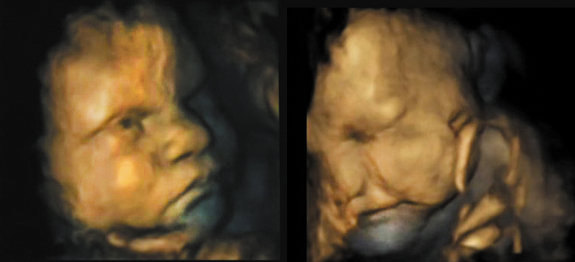
While it was known that fetuses could form expressions while in the womb, this study tracked facial movements over time. "What we have found for the first time is you can look at the progression of the complexity of the movements," said lead study researcher Nadja Reissland, a senior lecturer at the University of Durham in the United Kingdom.
Before he or she is born, a fetus begins to move his or her face — parting lips, wrinkling a nose or lowering a brow for example — making movements that, when combined, will one day assemble expressions we all recognize in one another. A new study has shown that, as the fetus develops, these facial motions become increasingly complex.
By capturing images of two fetuses periodically from 24 to about 35 weeks of gestation, the researchers watched individual, unrelated movements progress to complex combinations, associated with recognizable facial expressions. In addition to tracking 19 total facial movements, the study focused on sets of movements associated with two expressions, one associated with crying, the other laughing. Over time, the movements associated with these began to appear in more complex combinations. They used 4-D ultrasound images, which resemble video, to track the facial motions of twofemale fetuses.
At 24 weeks, fetuses were more likely to make a single movement, like a widening of the lips for example, all by itself. Then, as the weeks passed, they began combining the movements, putting, say, a lip widening movement with a nose wrinkle. By about 35 weeks, combinations of three and four movements associated with the two expressions had surpassed single or double movements. A similar trend occurred when the researchers looked at all 19 movements.
Reissland pointed out that these facial movements don't mean the fetuses were experiencing emotion. We can see the expressions which we can recognize; we can't say whether the fetus has emotion," she said. "They [don't] have yet the cognition necessary to have the emotions."
Rather, these motions are likely a form of practice, as the fetuses prepare to enter the social world, where they must form bonds with others. Fetuses also suck their thumbs in the womb and make breathing motions, both precursors for important activities once they are born, she said.
For future research, Reissland is interested in looking for other fetal facial expressions associated with anger, smiling and sadness. This study appeared Aug. 31 in the journal PLoS ONE.
Source: http://www.livescience.com/15939-fetus-facial-expressions.html
Before he or she is born, a fetus begins to move his or her face — parting lips, wrinkling a nose or lowering a brow for example — making movements that, when combined, will one day assemble expressions we all recognize in one another. A new study has shown that, as the fetus develops, these facial motions become increasingly complex.
While it was known that fetuses could form expressions while in the womb, this study tracked facial movements over time. "What we have found for the first time is you can look at the progression of the complexity of the movements," said lead study researcher Nadja Reissland, a senior lecturer at the University of Durham in the United Kingdom.
Before he or she is born, a fetus begins to move his or her face — parting lips, wrinkling a nose or lowering a brow for example — making movements that, when combined, will one day assemble expressions we all recognize in one another. A new study has shown that, as the fetus develops, these facial motions become increasingly complex.
By capturing images of two fetuses periodically from 24 to about 35 weeks of gestation, the researchers watched individual, unrelated movements progress to complex combinations, associated with recognizable facial expressions. In addition to tracking 19 total facial movements, the study focused on sets of movements associated with two expressions, one associated with crying, the other laughing. Over time, the movements associated with these began to appear in more complex combinations. They used 4-D ultrasound images, which resemble video, to track the facial motions of twofemale fetuses.
At 24 weeks, fetuses were more likely to make a single movement, like a widening of the lips for example, all by itself. Then, as the weeks passed, they began combining the movements, putting, say, a lip widening movement with a nose wrinkle. By about 35 weeks, combinations of three and four movements associated with the two expressions had surpassed single or double movements. A similar trend occurred when the researchers looked at all 19 movements.
Reissland pointed out that these facial movements don't mean the fetuses were experiencing emotion. We can see the expressions which we can recognize; we can't say whether the fetus has emotion," she said. "They [don't] have yet the cognition necessary to have the emotions."
Rather, these motions are likely a form of practice, as the fetuses prepare to enter the social world, where they must form bonds with others. Fetuses also suck their thumbs in the womb and make breathing motions, both precursors for important activities once they are born, she said.
For future research, Reissland is interested in looking for other fetal facial expressions associated with anger, smiling and sadness. This study appeared Aug. 31 in the journal PLoS ONE.
Source: http://www.livescience.com/15939-fetus-facial-expressions.html
"Study: Botox Users Have Trouble Reading Emotions in Others" TIME
We all know that Botox injections paralyze facial muscles — which is why it's used between the brows to iron out frown lines — and can therefore make users appear less emotional. Now a new study finds that the cosmetic toxin may also make recipients less able to read the emotions of others.
TIME Heatlthland // By MEREDITH MELNICK // Monday, April 25, 2011
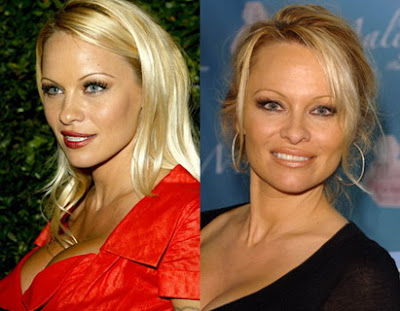 Social psychologists say we identify emotions in part by mimicking each other's facial expressions. "When you mimic, you get a window into their inner world," said lead researcher David Neal, a psychology professor at University of Southern California, in a statement. "When we can't mimic, as with Botox, that window is a little darker."
For the new study, researchers conducted two experiments: the first involved 31 women who had received either Botox or Restylane, a dermal filler that smoothes wrinkles but doesn't affect facial movement, in Los Angeles (where better to conduct a study on cosmetic procedures?). In a second experiment, 56 women and 39 men were given a topical facial gel that functioned as an "anti-Botox," by augmenting signals from facial muscles. All participants were asked looked at a series of faces on a computer screen and identify the displayed emotions.
The researchers found that compared with the Restylane-treated control group, the women who got Botox were less able to read emotions based on facial expression. Meanwhile, the participants who got the gel were better than the others at perceiving emotions.
Past research has suggested that muscle-paralyzing treatments also hinder people from feeling their own emotions — which could potentially interfere with their ability to empathize. USA Today reported:
Source: http://healthland.time.com/2011/04/25/study-botox-users-have-trouble-reading-emotions-in-others/
TIME Heatlthland // By MEREDITH MELNICK // Monday, April 25, 2011

For the new study, researchers conducted two experiments: the first involved 31 women who had received either Botox or Restylane, a dermal filler that smoothes wrinkles but doesn't affect facial movement, in Los Angeles (where better to conduct a study on cosmetic procedures?). In a second experiment, 56 women and 39 men were given a topical facial gel that functioned as an "anti-Botox," by augmenting signals from facial muscles. All participants were asked looked at a series of faces on a computer screen and identify the displayed emotions.
The researchers found that compared with the Restylane-treated control group, the women who got Botox were less able to read emotions based on facial expression. Meanwhile, the participants who got the gel were better than the others at perceiving emotions.
Past research has suggested that muscle-paralyzing treatments also hinder people from feeling their own emotions — which could potentially interfere with their ability to empathize. USA Today reported:
"A similar study published last year in the journal Emotion said Botox injections may decrease a person's ability to feel emotions. That study, conducted at Columbia University, compared Botox and Restylane in 68 people. Its lead author, psychologist Joshua Davis, hasn't seen the new study but says the finding "would suggest that facial expression is an integral component of what we consider our emotional experience. Certainly the concept is one that fits with the research we did.""Human communication can be a very subtle thing," Neal said. "When you eliminate a slice of information — whether by communicating through e-mail and Twitter or by paralyzing your own facial muscles — it can be the difference between successful communication and failure."
Source: http://healthland.time.com/2011/04/25/study-botox-users-have-trouble-reading-emotions-in-others/
dimecres, 26 d’octubre del 2011
diumenge, 23 d’octubre del 2011
dijous, 20 d’octubre del 2011
Interview with Antonio Damasio
Dr. Antonio Damasio is a renowned neuroscientist who direct's the USC Brain and Creativity Institute. Before that he was the Head of Neurology at the University of Iowa Hospitals and Clinics. His research focuses on the neurobiology of mind and behavior, with an emphasis on emotion, decision-making, memory, communication, and creativity.
His research has helped describe the neurological origins of emotions and has shown how emotions affect cognition and decision-making. He is the author of a number of books, including "Self Comes to Mind: Constructing the Conscious Brain," which will be published in November, 2010. Dr. Damasio is also the 2010 winner of the Honda Prize, one of the most important international awards for scientific achievement.
http://bigthink.com/antoniodamasio
Parts:
- How Memory Works
- "Consciousness" Is How We Know We Exist
- How Our Brains Build Our Autobiographies
- How Our Brains Feel Emotion
- The Interconnectedness of Our Bodies and Our Minds
- How Much Can We Really Control Our Minds?
- The Brain's System of Checks and Balances
dilluns, 17 d’octubre del 2011
dijous, 13 d’octubre del 2011
"We are not thinking machines; we are feelling machines that think" Antonio Damasio in PBS Documentary "The Secret Life of the Brain"
The Secret Life of the Brain, a David Grubin Production, reveals the fascinating processes involved in brain development across a lifetime. The five-part series, informs viewers of exciting information in the brain sciences, introduces the foremost researchers in the field, and utilizes dynamic visual imagery and compelling human stories to help a general audience understand otherwise difficult scientific concepts. A startling new map of the human brain has emerged during the past decade of neuroscience research, contradicting much of what was previously believed. This series tells stories through a mix of personal histories, expert commentary, and animation.
1. The Baby's Brain: Wider than the Sky. A baby's brain is a mystery whose secrets scientists are just beginning to unravel. The mystery begins in the womb -- only four weeks into gestation the first brain cells, the neurons, are already forming at an astonishing rate: 250,000 every minute.
2. The Child's Brain: Syllable from Sound. A child's brain is a magnificent engine for learning. A child learns to crawl, then walk, run and explore. A child learns to reason, to pay attention, to remember, but nowhere is learning more dramatic than in the way a child learns language. As children, we acquire language — the hallmark of being human.
3. The Teenage Brain: A World of Their Own. When examining the adolescent brain we find mystery, complexity, frustration, and inspiration. As the brain begins teeming with hormones, the prefrontal cortex, the center of reasoning and impulse control, is still a work in progress. For the first time, scientists can offer an explanation for what parents already know — adolescence is a time of roiling emotions, and poor judgment.
4. The Adult Brain: To Think by Feeling. The adult brain is the apotheosis of the human intellect, but what of emotion? The study of emotion was once relegated to the backwaters of neuroscience, a testament to the popular conception that what we feel exists outside our brains, acting only to intrude on normal thought. The science has changed: Emotion is now considered integral to our over-all mental health.
5. The Aging Brain: Through Many Lives. At the age of 95, Stanley Kunitz was named poet laureate of the United States. Still writing new poems, still reading to live audiences, he stands as an inspiring example of the brain's ability to stay vital in the final years of our lives. The latest discoveries in neuroscience present a new view of how the brain ages. Overturning decades of dogma, scientists recently discovered that even into our seventies, our brains continue producing new neurons.
dijous, 6 d’octubre del 2011
Identical But Different: Twins and Genes or How Genes Set the Balance Between Autism and Psychosis
Psychology Today // Published on October 5, 2011 by Christopher Badcock, Ph.D. in The Imprinted Brain
In the previous post, I drew attention to two findings for which there is a rising tide of evidence. One is that, although identical twins may inherit identical genes, those genes may be differently expressed in each. The other is the growing realization that mental illnesses like autism or schizophrenia may be caused by such differences in gene expression: by epigenetics rather than simply genetics, so to speak.
Now a new study by a team at the Institute of Psychiatry at King's College, London, has added considerable weight to both propositions by studying 22 sets of identical twins among whom only one of the pair suffered from schizophrenia or bipolar disorder. This was the first genome-wide analysis of epigenetic differences between identical twins discordant for a major psychosis and, as such, strikingly endorses the principal contention of the imprinted brain theory: namely, that such disorders are the result of variations in gene expression, and not simply a question of inheritance.
The study found numerous disease-related differences in gene expression by factors up to 20%, many of them located close to genes previously implicated in psychosis. The top-ranking site was found in the promoter region of a key sialic-acid metabolizing enzyme gene on chromosome 17 (ST6GALNAC1). A rare case of schizophrenia associated with duplication of this part of the same chromosome suggests that over-expression of this gene may be critical for psychosis risk, and members of the same family of enzymes have been associated with schizophrenia and found to play a key role in the development of the forebrain in animal studies. Finally, the fact that the forebrain--and the pre-frontal cortex in particular--have been found to be critical to psychotic cognition suggests a direct mechanism for the role of this gene in schizophrenia, as the authors point out.
The authors also note that some of the genomic regions they discovered showed opposite changes in expression between schizophrenia and bipolar disorder. In other words, some genes whose expression was increased in one disorder were also found to show decreased expression in the other.
This is exactly what the imprinted brain theory predicts for genes implicated in autistic as opposed to psychotic disorders, but at first sight seemingly not within the psychotic spectrum. According to the imprinted brain theory, psychotic and autistic spectrum disorders are opposites caused by conflicting patterns of gene expression. Psychotic spectrum disorders exhibit hyper-mentalism, and autistic ones hypo-mentalism, with enhanced maternal and/or X chromosome gene expression driving the former and enhanced paternal and/or reduced X chromosome gene expression driving the latter. If this is so, how can genes implicated in bipolar disorder or schizophrenia show opposite patterns of expression between themselves? Surely, this is a finding which suggests that the diametric model of mental illness is just too simple--at least where its links to diametrically opposed gene expression are concerned.
Not necessarily. There are three good reasons why, rather than contradicting the diametric model, this finding may in fact corroborate it. The first is the fact that the theory proposes that the diagnosed outcome is a result of an overall imbalance in the expression of genes in the direction predicted. It does not claim that every single gene obeys the antithetic principle. It's a bit like politics. In the government of the genes not every deciding vote will have members of all parties voting consistently. Cross-party voting may occur, but what matters is who gets the majority, and the same goes for the imprinted brain theory: it's the overall outcome that matters.
The second consideration is that from the beginning it has been clear to me at least that within the psychoses there may be a further fundamental dichotomy. This would be between intra-psychic and extra-psychic cognition. As I point out in my book, you can see evidence of hyper-mentalism in both schizophrenia and bipolar disorder if you notice that in the latter case the hyper-active mind-reading is applied to the sufferer's own mind and not--as paradigmatically is the case in paranoia--to the minds of others. The extreme swings in mood symptomatic of bipolar disorder could be seen as pathologically exaggerated equivalents of more normal, but far less extreme mood swings which we all experience when, for example, we say "we feel like X" or "are not in the mood for Y." This is normal intra-psychic mind-reading: interrogating your own mentality about what you wish to do or not to do. In bipolar disorder the same process may become magnified into manic exultation or pathological depression in much the same way that normal reading of other people's minds gets amplified into erotomania or delusions of persecution in paranoia, as I explain at length in The Imprinted Brain.
A third and final consideration lies in the possibility that, as the authors point out, some of the epigenetic changes they measured may have been the result of medication. Anti-psychotic drugs can sometimes mimic the effect of oppositely-acting imprinted genes, and could conceivably activate genes in opposite ways, perhaps explaining the finding.
But however that may be, this landmark study confirms a rapidly emerging consensus among researchers in epigenetics that they can account, both for differences between identical twins, and for their discordant psychiatric illnesses.
Source:
http://www.psychologytoday.com/blog/the-imprinted-brain/201110/identical-different
dilluns, 3 d’octubre del 2011
La cara d'una dona pot provocar el mateix efecte que la cocaïna sobre el cervell dels homes
L'activitat cerebral masculina, observada a través d'un escàner, és igual quan consumeixen cocaïna que quan observen una bonica cara femenina
ARA Barcelona | 03/10/2011 10:52
Els científics confirmen el que tots ens pensàvem: els homes senten un plaer enorme per la bellesa femenina. Ho demostren unes anàlisis fetes en el seu cervell. Concretament, un estudi assegura que la reacció cerebral dels barons en observar la cara d'una dona guapa és igual que la d'aquests mateixos quan consumeixen cocaïna.
Els investigadors de la Universitat de Harvard han descobert que el cervell dels homes als quals se'ls va ensenyar la cara d'una dona atractiva presentaven la mateixa reacció davant els escàners que se'ls practicaven. De fet, l'estudi concreta que presenten activat el mateix "circuit mental de recompensa" que se'ls activa en cas de consum de cocaïna o algunes drogues narcòtiques.
Les cares que, segons els escàners, més activitat produeixen en les cervells masculins són les de dones que tenen un front corbat i prominent acompanyat d'un nas situat prou avall en el conjunt de la cara. Les galtes arrodonides i una petita barbeta també són elements considerats positius per estimular aquesta reposta cerebral de satisfacció.
Font:
http://www.ara.cat/societat/provoca-mateix-efecte-cerebral-cocaina_0_565743516.html
divendres, 9 de setembre del 2011
"Lo que pensamos varía nuestra biología", Bruce Lipton, doctor en Medicina, investigador en biología celular

Podemos cambiar. No se trata de un gurú de las pseudociencias, Lipton impartió clases de Biología Celular en la facultad de Medicina de la Universidad de Wisconsin y más tarde llevó a cabo estudios pioneros de epigenética en la facultad de Medicina de la Universidad de Stanford que lo llevaron al convencimiento de que nuestro cuerpo puede cambiar si reeducamos nuestras creencias y percepciones limitadoras. El problema siempre es el cómo: cómo cambiar la información del subconsciente. En su libro La biología de la creencia (Palmyra) recomienda métodos como el PSYCH-K. Y en La biología de la transformación (La esfera de los libros) explica la posibilidad de una evolución espontánea de nuestra especie.
La Vanguardia // Imma Sanchís // 09 de Septiembre de 2011
Me enseñaron que los genes controlan la vida, que en ellos se inscriben todas nuestras capacidades y características, pero es falso.
¿Del todo?
No somos víctimas de nuestra genética, en realidad es el ADN el que está controlado por el medio externo celular.
¿Qué significa eso?
La célula es la vida. Hablar de una célula es como hablar de una persona. Nosotros recibimos la información a través de los cinco sentidos y las células reciben las señales del entorno a través de los receptores que captan la información. El ADN es controlado por señales que vienen desde fuera de la célula, incluyendo mensajes energéticos de nuestros propios pensamientos, tanto los positivos como los negativos.
¿Somos lo que vivimos y pensamos?
Sí, y cambiar nuestra manera de vivir y de percibir el mundo es cambiar nuestra biología. Los estudios que empecé hace cuarenta años demuestran que las células cambian en función del entorno, es lo que llamamos epigenética. Epi significa por encima de la genética, más allá de ella.
¿Y?
Según el entorno y como tú respondes al mundo, un gen puede crear 30.000 diferentes variaciones. Menos del 10% del cáncer es heredado, es el estilo de vida lo que determina la genética.
¿Es el entorno el que nos define?
Aprendemos a vernos como nos ven, a valorarnos como nos valoran. Lo que escuchamos y vivimos nos forma. No vemos el mundo como es, vemos el mundo como somos. Somos víctimas de nuestras creencias, pero podemos cambiarlas.
Pero las creencias están inscritas en lo más profundo de nuestro subconsciente.
Cierto. El subconsciente es un procesador de información un millón de veces más rápido que la mente consciente y utiliza entre el 95% y el 99% del tiempo la información ya almacenada desde nuestra niñez como un referente. Por eso cuando decidimos algo conscientemente como, por ejemplo, ganar más dinero, si nuestro subconsciente contiene información de que es muy difícil ganarse la vida, no lo conseguiremos.
¿Entonces?
Si cambiamos las percepciones que tenemos en el subconsciente, cambiará nuestra realidad, y lo he comprobado a través de numerosos experimentos. Al reprogramar las creencias y percepciones que tenemos de cómo es la felicidad, la paz, la abundancia, podemos conquistarlas.
Me suena a fórmula feliz...
Así es como funciona el efecto placebo. Si pienso que una pastilla me puede sanar, me la tomo y me encuentro mejor. ¿Qué me ha sanado?...
¿La creencia?
Eso parece. Al igual que los pensamientos positivos y el efecto placebo afectan a nuestra biología, existe el efecto nocebo: si crees que algo te hará daño, acabará por hacerte daño. Henry Ford decía que tanto si crees que puedes como si crees que no puedes, tienen razón. Si eliges vivir un mundo lleno de amor, tu salud mejorará.
¿Y eso por qué?
La química que provoca la alegría y el amor hace que nuestras células crezcan, y la química que provoca el miedo hace que las células mueran. Los pensamientos positivos son un imperativo biológico para una vida feliz y saludable. Existen dos mecanismos de supervivencia: el crecimiento y la protección, y ambos no pueden operar al mismo tiempo.
O creces o te proteges.
Los procesos de crecimiento requieren un intercambio libre de información con el medio, la protección requiere el cierre completo del sistema. Una respuesta de protección mantenida inhibe la producción de energía necesaria para la vida.
¿Qué significa prosperar?
Para prosperar necesitamos buscar de forma activa la alegría y el amor, y llenar nuestra vida de estímulos que desencadenen procesos de crecimiento. Las hormonas del estrés coordinan la función de los órganos corporales e inhiben los procesos de crecimiento, suprimen por completo la actuación del sistema inmunológico.
¿La culpa de todo la tienen los padres?
Las percepciones que formamos durante los primeros seis años, cuando el cerebro recibe la máxima información en un mínimo tiempo para entender el entorno, nos afectan el resto de la vida.
Y las creencias inconscientes pasan de padres a hijos.
Así es, los comportamientos, creencias y actitudes que observamos en nuestros padres se graban en nuestro cerebro y controlan nuestra biología el resto de la vida, a menos que aprendamos a volver a programarla.
¿Cómo detectar creencias negativas?
La vida es un reflejo de la mente subconsciente, lo que nos funciona bien en la vida son esas cosas que el subconsciente te permite que funcionen, lo que requiere mucho esfuerzo son esas cosas que tu subconsciente no apoya.
¿Debo doblegar a mi subconsciente?
Es una batalla perdida, pero nada se soluciona hasta que uno no se esfuerza por cambiar. Deshágase de los miedos infundados y procure no inculcar creencias limitadoras en el subconsciente de sus hijos.
Fuente:
http://www.lavanguardia.com/lacontra/20110909/54213913374/lo-que-pensamos-varia-nuestra-biologia.html
divendres, 2 de setembre del 2011
Perception of Facial Expressions Differs Across Cultures
Differences could cause cross-cultural misunderstandings, study finds
WASHINGTON—Facial expressions have been called the “universal language of emotion,” but people from different cultures perceive happy, sad or angry facial expressions in unique ways, according to new research published by the American Psychological Association.
“By conducting this study, we hoped to show that people from different cultures think about facial expressions in different ways,” said lead researcher Rachael E. Jack, PhD, of the University of Glasgow. “East Asians and Western Caucasians differ in terms of the features they think constitute an angry face or a happy face.”
The study, which was part of Jack’s doctoral thesis, was published online in APA’s Journal of Experimental Psychology: General®. Jack is a post-doctoral research assistant, and the study was co-authored by Philippe Schyns, PhD, director of the Institute of Neuroscience and Psychology at the University of Glasgow, and Roberto Caldara, PhD, a psychology professor at the University of Fribourg in Switzerland.
Some prior research has supported the notion that facial expressions are a hard-wired human behavior with evolutionary origins, so facial expressions wouldn’t differ across cultures. But this study challenges that theory and used statistical image processing techniques to examine how study participants perceived facial expressions through their own mental representations.
“A mental representation of a facial expression is the image we see in our ‘mind's eye’ when we think about what a fearful or happy face looks like,” Jack said. “Mental representations are shaped by our past experiences and help us know what to expect when we are interpreting facial expressions.”
Fifteen Chinese people and 15 Caucasians living in Glasgow took part in the study. They viewed emotion-neutral faces that were randomly altered on a computer screen and then categorized the facial expressions as happy, sad, surprised, fearful, disgusted or angry. The responses allowed researchers to identify the expressive facial features that participants associated with each emotion.
The study found that the Chinese participants relied on the eyes more to represent facial expressions, while Western Caucasians relied on the eyebrows and mouth. Those cultural distinctions could lead to missed cues or misinterpreted signals about emotions during cross-cultural communications, the study reported.
“Our findings highlight the importance of understanding cultural differences in communication, which is particularly relevant in our increasingly connected world,” Jack said. “We hope that our work will facilitate clearer channels of communication between diverse cultures and help promote the understanding of cultural differences within society.”

Above: An illustration from the study reveals the difference between how Western Caucasians (WC) and East Asians (EA) perceive the six basic facial expressions of emotion.
Article: “Internal Representations Reveal Cultural Diversity in Expectations of Facial Expressions of Emotion,” Rachael E. Jack, Roberto Caldara and Philippe G. Schyns, PhDs; University of Glasgow; Journal of Experimental Psychology: General; Vol. 141, No. 1.
Dr. Jack can be contacted by email or at 011 44 (0)7801 374 251.
The American Psychological Association, in Washington, D.C., is the largest scientific and professional organization representing psychology in the United States and is the world's largest association of psychologists. APA's membership includes more than 154,000 researchers, educators, clinicians, consultants and students. Through its divisions in 54 subfields of psychology and affiliations with 60 state, territorial and Canadian provincial associations, APA works to advance psychology as a science, as a profession and as a means of promoting health, education and human welfare.
Source:
http://www.apa.org/news/press/releases/2011/09/facial-expressions.aspx
________________________
La interpretación de las expresiones faciales es diferente en cada cultura
Se cree que las expresiones faciales constituyen un lenguaje universal de las emociones, pero un estudio reciente realizado por científicos de la Universidad de Glasgow revela que las personas de diversas culturas perciben de manera distinta dichas expresiones.
La investigación ha demostrado, por ejemplo, que los asiáticos del este y los caucásicos occidentales perciben de manera diferente una cara de enfado o una expresión de felicidad.
En el estudio se usaron técnicas de procesamiento estadístico de imágenes para analizar cómo construían los diversos participantes, 15 chinos y 15 individuos caucásicos residentes en Glasgow, sus propias representaciones mentales (imágenes que cada uno ve en su mente al mirar a alguien) sobre determinadas expresiones faciales.
Además, a los voluntarios se les mostraron rostros con diversas expresiones, y se les pidió que los relacionaran con emociones.
De esta manera, se constató que los participantes chinos se fijaban más en los ojos para interpretar las emociones reflejadas por las caras, mientras que los caucásicos se fijaban más en las bocas y en las cejas.
Según los científicos, todas estas diferencias pueden producir malas interpretaciones de las señales emocionales, en las comunicaciones interculturales. Conocerlas resulta importante por tanto para facilitar las relaciones entre individuos de culturas distintas.
Fuente:
http://www.tendencias21.net/notes/La-interpretacion-de-las-expresiones-faciales-es-diferente-en-cada-cultura_b3256740.html
WASHINGTON—Facial expressions have been called the “universal language of emotion,” but people from different cultures perceive happy, sad or angry facial expressions in unique ways, according to new research published by the American Psychological Association.
“By conducting this study, we hoped to show that people from different cultures think about facial expressions in different ways,” said lead researcher Rachael E. Jack, PhD, of the University of Glasgow. “East Asians and Western Caucasians differ in terms of the features they think constitute an angry face or a happy face.”
The study, which was part of Jack’s doctoral thesis, was published online in APA’s Journal of Experimental Psychology: General®. Jack is a post-doctoral research assistant, and the study was co-authored by Philippe Schyns, PhD, director of the Institute of Neuroscience and Psychology at the University of Glasgow, and Roberto Caldara, PhD, a psychology professor at the University of Fribourg in Switzerland.
Some prior research has supported the notion that facial expressions are a hard-wired human behavior with evolutionary origins, so facial expressions wouldn’t differ across cultures. But this study challenges that theory and used statistical image processing techniques to examine how study participants perceived facial expressions through their own mental representations.
“A mental representation of a facial expression is the image we see in our ‘mind's eye’ when we think about what a fearful or happy face looks like,” Jack said. “Mental representations are shaped by our past experiences and help us know what to expect when we are interpreting facial expressions.”
Fifteen Chinese people and 15 Caucasians living in Glasgow took part in the study. They viewed emotion-neutral faces that were randomly altered on a computer screen and then categorized the facial expressions as happy, sad, surprised, fearful, disgusted or angry. The responses allowed researchers to identify the expressive facial features that participants associated with each emotion.
The study found that the Chinese participants relied on the eyes more to represent facial expressions, while Western Caucasians relied on the eyebrows and mouth. Those cultural distinctions could lead to missed cues or misinterpreted signals about emotions during cross-cultural communications, the study reported.
“Our findings highlight the importance of understanding cultural differences in communication, which is particularly relevant in our increasingly connected world,” Jack said. “We hope that our work will facilitate clearer channels of communication between diverse cultures and help promote the understanding of cultural differences within society.”
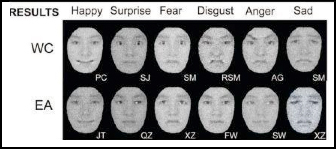
Above: An illustration from the study reveals the difference between how Western Caucasians (WC) and East Asians (EA) perceive the six basic facial expressions of emotion.
Article: “Internal Representations Reveal Cultural Diversity in Expectations of Facial Expressions of Emotion,” Rachael E. Jack, Roberto Caldara and Philippe G. Schyns, PhDs; University of Glasgow; Journal of Experimental Psychology: General; Vol. 141, No. 1.
Dr. Jack can be contacted by email or at 011 44 (0)7801 374 251.
The American Psychological Association, in Washington, D.C., is the largest scientific and professional organization representing psychology in the United States and is the world's largest association of psychologists. APA's membership includes more than 154,000 researchers, educators, clinicians, consultants and students. Through its divisions in 54 subfields of psychology and affiliations with 60 state, territorial and Canadian provincial associations, APA works to advance psychology as a science, as a profession and as a means of promoting health, education and human welfare.
Source:
http://www.apa.org/news/press/releases/2011/09/facial-expressions.aspx
________________________
La interpretación de las expresiones faciales es diferente en cada cultura
Se cree que las expresiones faciales constituyen un lenguaje universal de las emociones, pero un estudio reciente realizado por científicos de la Universidad de Glasgow revela que las personas de diversas culturas perciben de manera distinta dichas expresiones.
La investigación ha demostrado, por ejemplo, que los asiáticos del este y los caucásicos occidentales perciben de manera diferente una cara de enfado o una expresión de felicidad.
En el estudio se usaron técnicas de procesamiento estadístico de imágenes para analizar cómo construían los diversos participantes, 15 chinos y 15 individuos caucásicos residentes en Glasgow, sus propias representaciones mentales (imágenes que cada uno ve en su mente al mirar a alguien) sobre determinadas expresiones faciales.
Además, a los voluntarios se les mostraron rostros con diversas expresiones, y se les pidió que los relacionaran con emociones.
De esta manera, se constató que los participantes chinos se fijaban más en los ojos para interpretar las emociones reflejadas por las caras, mientras que los caucásicos se fijaban más en las bocas y en las cejas.
Según los científicos, todas estas diferencias pueden producir malas interpretaciones de las señales emocionales, en las comunicaciones interculturales. Conocerlas resulta importante por tanto para facilitar las relaciones entre individuos de culturas distintas.
Fuente:
http://www.tendencias21.net/notes/La-interpretacion-de-las-expresiones-faciales-es-diferente-en-cada-cultura_b3256740.html
divendres, 19 d’agost del 2011
Investigadors de la UAB desenvolupen una eina informàtica que identifica persones “dominants”, “amenaçadores” i "garrepes"
L'eina prediu fins a nou aspectes de la persona –atractiu, competent, fiable, dominant, garrepa, poruc, extravertit, amenaçador i simpàtic– analitzant els trets facials. L'estudi previ a l'execució de l'eina s'ha fet en col·laboració amb el departament de Psicologia de la Universitat de Princeton (EUA)
REDACCIÓ Barcelona | Actualitzada el 19/08/2011 09:45
Investigadors de la Universitat Autònoma de Barcelona (UAB) han desenvolupat una nova eina informàtica que ajuda els ordinadors a determinar si una cara entra dins de la categoria de persona amb rostre “dominant”, “amenaçador” o “garrepa”, segons es recull en un estudi publicat a la revista especialitzada Plos ONE.
L'estudi previ al desenvolupament de l'eina està dirigit per Mario Rojas, del Centre de Visió per Computador de la UAB, i s'ha fet en col·laboració amb investigadors del departament de Psicologia de la Universitat de Princeton (Estats Units).
Les característiques facials tenen un paper clau en els nostres judicis diaris sobre els altres. Segons assenyala Rojas, "la percepció de dominància és una part important dels rols socials en diferents etapes de la vida, i té també un paper decisiu en la selecció de la parella". Si la informació en què es basa l'avaluació de les cares es pogués aprendre de forma automàtica, podria ser utilitzada com a eina per dissenyar sistemes interactius millors.
L'equip encapçalat per Rojas va estudiar quina part d'aquesta informació podia ser apresa, des del punt de vista de la informàtica. L'objectiu de l'estudi era categoritzar nou judicis basats en trets facials: atractiu, competent, fiable, dominant, garrepa, poruc, extravertit, amenaçador i simpàtic. El software es va desenvolupar utilitzant tècniques d'aprenentatge de màquines, una branca de la intel·ligència artificial que utilitza exemples per ensenyar un programa com ha de funcionar.
Els investigadors van entrenar i provar els seus algoritmes mitjançant un grup d'imatges facials sintètiques, generades en estudis anteriors. En aquest treball, es va demanar a un grup de persones que descrivissin i valoressin un conjunt de fotografies de cares, i els resultats van ser utilitzats per generar imatges facials sintètiques, cadascuna d'elles associada amb trets específics, com la fiabilitat o la dominància.
En aquest últim estudi, els autors van utilitzar algunes d'aquestes imatges, juntament amb les seves etiquetes, per "ensenyar" l'ordinador com interpretar les cares i provar la precisió predictiva a la resta de les imatges. Els trets “dominant”, “amenaçador” i “garrepa” van resultar ser predictibles amb una efectivitat situada entre el 91 i el 96 per cent.
L'estudi també tenia com a objectiu descobrir quin tipus d'informació és, a nivell informàtic, útil per a la tasca de predicció. Per exemple, van descobrir que l'àrea que envolta els ulls conté més informació sobre l'atractiu, mentre que la zona que envolta la boca presenta més informació sobre l'extraversió.
Els investigadors també van posar a prova l'habilitat del programa predictiu amb cares de diversos famosos, i van descobrir que els seus resultats eren molt coherents amb les idees generals que la gent té sobre aquestes figures públiques.
Font de l'estudi original:
http://www.plosone.org/article/info:doi/10.1371/journal.pone.0023323#top
Font de l'article:
http://www.ara.cat/xarxes/Investigadors-UAB-desenvolupen-informatica-amenacadores_0_538746301.html
dimecres, 17 d’agost del 2011
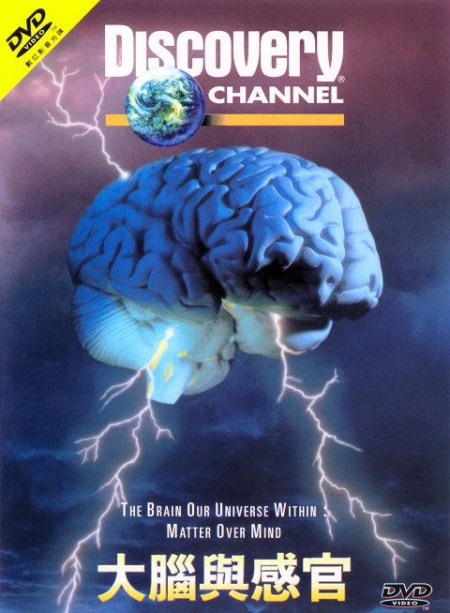
The Brain: Our Universe Within (Discovery Channel)
Forty years ago, American anthropologist Doctor Ralph Selecki explored the caves at Shanidar where he unearthed an image of ancient man that profoundly changed the way we saw our ancestors.
 The professor discovered a skull – a Neanderthal skull. Strangely, it was covered with microscopic pollen from the flowers of thistle, groundsel, spiraea and hollyhock, among others.
The same pollen dust covered the rest of the weathered skeleton, suggesting that his family and friends had deliberately gathered the flowers and laid them in bunches on the dead body.
These mourners left behind the earliest known signs of man’s awareness of death. Based on Doctor Selecki’s findings, Neanderthals seemed to possess what we have come to call a mind.
Complex and deeply mysterious, the human brain is an odyssey unto itself. Take this journey into the inner workings of the mind with the guidance of scientist Dr. David Suzuki, the host of this riveting Discovery Channel documentary.
This series explores the way the brain evolves from birth to adulthood; how memory works; how humans recover from brain injury; and the origins of creativity and identity.
Source:
http://topdocumentaryfilms.com/brain-our-universe-within/
The same pollen dust covered the rest of the weathered skeleton, suggesting that his family and friends had deliberately gathered the flowers and laid them in bunches on the dead body.
These mourners left behind the earliest known signs of man’s awareness of death. Based on Doctor Selecki’s findings, Neanderthals seemed to possess what we have come to call a mind.
Complex and deeply mysterious, the human brain is an odyssey unto itself. Take this journey into the inner workings of the mind with the guidance of scientist Dr. David Suzuki, the host of this riveting Discovery Channel documentary.
This series explores the way the brain evolves from birth to adulthood; how memory works; how humans recover from brain injury; and the origins of creativity and identity.
Source:
http://topdocumentaryfilms.com/brain-our-universe-within/
dimarts, 16 d’agost del 2011
Functional Brain Areas

A copy of the drawing can be found at http://www.kirkwood.edu/pdf/uploaded/695/functional_brain_areas_from_yt.pdf
Antonio Damásio - Emotions vs. feelings - Brain Education Conference at the UN (2008)
Damásio - Brain Education Conference at the UN (2008) from João Pedro Costa on Vimeo.
EDUCATION FOR A CULTURE OF PEACE António Damásio lectures at the Brain Conference, at the UN, on the 20th June 2008.
diumenge, 14 d’agost del 2011
Quantes intel·ligències hi ha al cervell? (Ara.cat)
L'excusa o la lamentació de "no sóc intel·ligent" no val. Ho diu el psicòleg Howard Gardner, que va revolucionar l'educació en anunciar que tenim 8 intel·ligències
MARTA BAUSELLS // Barcelona // 14/08/2011 // Ara.cat
No tenim una intel·ligència sinó, com a mínim, vuit. Aquesta és la teoria principal de Howard Gardner, el psicòleg que va revolucionar el model educatiu en trencar amb la idea que la intel·ligència és una habilitat com una altra que cadascú té en més o menys quantitat.
Aquest professor de la Universitat de Harvard, guanyador del premi Príncep d'Astúries de ciències socials 2011, va desenvolupar la teoria de les intel·ligències múltiples. Segons defensa Gardner, cada persona té vuit habilitats cognoscitives diferents i interrelacionades sense que n'hi hagi cap de superior a les altres. Són les següents: lingüística, logicomatemàtica, cineticocorporal (o física), musical, naturalista (o científica), interpersonal (capacitat d'empatitzar amb els altres), intrapersonal (capacitat de comprendre's a un mateix), i espacial (alguns la consideren una subcategoria, a cavall entre la logicomatemàtica i la física).
La teoria va canviar el món educatiu dels Estats Units, i en general del món occidental als anys 80. En paraules del jurat del Premi, la seva investigació és decisiva perquè "agafa en consideració les potencialitats innates de cada individu". El pedagog i mestre Daniel Gabarró explica que Garner -així com altres corrents de la psicologia, com l'anomenada programació neurolingüística- va canviar la concepció de la intel·ligència. Abans s'entenia com a lineal, com la capacitat de resoldre problemes i prou, però "també és la capacitat de generar nous problemes, d'entendre i preguntar-se coses sobre la realitat", diu. La realitat és múltiple i, per tant, permet múltiples intel·ligències, diferents maneres d'entendre-la.
Els tests d'intel·ligència que es feien fins llavors, diu Gabarró, eren molt "eurocèntrics" o occidentals: "Et podia sortir un resultat molt alt, però en una selva et moriries al cap de dos dies". Eren criteris acadèmics que no tenien en compte altres tipus d'intel·ligència, com la capacitat d'adaptar-se al medi.
Gardner a les escoles catalanes
Es va acabar l'excusa o la lamentació de "no sóc intel·ligent", lligada a la idea d'una intel·ligència "única, innata, invariable i quantificable", explica el pedagog. "Ara se sap que es pot desenvolupar, que és educable". Però la gran contribució de Gardner va ser l'aplicació de la teoria a les escoles: es tracta d'ajudar l'alumnat a aprendre a relacionar-se amb el món d'una manera més flexible, és a dir, utilitzar al màxim les vuit capacitats. En un entorn econòmic, social i històric cada cop més canviant, això els pot ajudar a adaptar-se millor, remarca Gabarró.
No consisteix, però, a fer un estudi de les intel·ligències de cada nen, perquè tots les han de desenvolupar totes. "En una classe de música tots necessiten desenvolupar la musical, però potser n'hi ha que hi apliquen la matemàtica", diu Gabarró. Els mestres han de ser formats per identificar els tipus d'intel·ligència i com s'apliquen en cada matèria.
A Catalunya apliquen els principis de Gardner algunes escoles -tant públiques com concertades i privades-, però són un percentatge encara baix del total -al voltant d'un 3%, segons els càlculs del pedagog-. "No està incorporat en el saber dels mestres com a col·lectiu" malgrat que la idea és coneguda, apunta. "Tothom sap que hi ha diverses intel·ligències, però no què implica per a les matemàtiques o l'educació física".
L'"escola personalitzada" o aprendre després de pensar
Howard Gardner (Scranton, EUA, 1943) es va doctorar en filosofia a la Universitat de Harvard el 1971. Des de l'any següent hi presideix i codirigeix un dels seus projectes insígnia, el Projecte Zero, que estudia els processos d'aprenentatge de nens i adults. El seu model d'"escola intel·ligent" treballa sota el principi que l'aprenentatge és una conseqüència de l'acte de pensar i de l'ús actiu i flexible del coneixement. Els resultats d'aquesta investigació s'han aplicat principalment a escoles públiques dels Estats Units i en especial a centres on estudien alumnes provinents de famílies amb pocs recursos econòmics i socials. Aquest psicòleg de fama internacional és avui catedràtic de cognició i educació John H. & Elisabeth A. Hobbs de l'Escola Superior d'Educació de Harvard, on també és professor de psicologia. Ha escrit 25 llibres que s'han traduït a 28 idiomes. Paidós, que l'edita en castellà i que li ha dedicat una col·lecció pròpia, publicarà a l'octubre el seu últim reball: Verdad, belleza y bondad. La enseñanza de las virtudes en el siglo XXI.
Compromès socialment i ètica- ment amb l'educació, el canvi radical del concepte d'intel·ligència va més enllà de definicions: les vuit intel·ligències no tenen un valor in- trínsec, segons ell, sinó que, depenent de com les utilitzem en la societat, se'ls dóna un valor moral o un altre. L'educació personalitzada –basada en el fet que els sistemes educatius es prenguin seriosament les diferències entre les persones– no ha de tractar com a llestos o tontos els estudiants "en termes de quina de les seves intel·ligències és la més forta, sinó usar això perquè puguin entendre el món", afirma Gardner
Font:
http://www.ara.cat/estiu/Quantes-intelligencies-hi-al-cervell_0_535146929.html
dijous, 11 d’agost del 2011
How did science got to know all we know about the mind? A BBC documentary on the darkest side of the history of experimental psychology
In a compelling and at times disturbing series, Dr Michael Mosley explores the brutal history of experimental psychology. Mosley embarks on three journeys to understand science’s last great frontier – the human mind – as he traces the history of the attempts to understand and manipulate the brain. Experiments on the human mind have led to profound insights into how our brain works – but have also involved great cruelty and posed some terrible ethical dilemmas.
Watch the full documentary (playlist – 3 hours)
Mind Control. To begin, Michael traces the sinister ways this science has been used to try to control our minds. He finds that the pursuit of mind control has led to some truly horrific experiments and left many casualties in its wake. Extraordinary archive captures what happened – scientists systematically change the behavior of children; law abiding citizens give fatal electric shocks; a gay man has electrodes implanted in his head in an attempt to turn his sexuality.
Emotions. In this film, Michael investigates how scientists have struggled to understand that most irrational and deeply complex part of our minds – our emotions. Michael meets survivors – both participants and scientists – of some of the key historical experiments. Many of these extraordinary research projects were captured on film – an eight-month-old boy is taught to fear random objects, baby monkeys are given mothers made from wire and cloth, and an adult is deliberately violent before a group of toddlers.
Broken Brains. Dr Michael Mosley concludes his series exploring the brutal history of experimental psychology by looking at how experiments on abnormal brains have revealed the workings of the normal brain. He meets remarkable individuals like Karen, who suffered from a rare condition – alien hand syndrome – which meant that one of her hands constantly attacked her. And Julia, who seems to have recovered from her stroke – until experiments reveal she is unable to recall the name of any object.
dimarts, 2 d’agost del 2011
"Empathy is understanding how another person feels or breathing with the same lungs as somebody else" Mary Gordon
"I don't think it's ever to late to develop empathy. It starts so naturally I think we should do everything that we can to cultivate empathy and we can do it at every level. So why would we not."
http://CultureOfEmpathy.com The Center for Building a Culture of Empathy - A portal for empathy and compassion related resources; art, articles, definitions, conferences, experts, history, interviews, newsletter, science, videos, etc. For more on empathy visit our website. This is part of a larger documentary project by Edwin Rutsch on the nature of empathy. We hope you'll connect and get involved in Building a Culture of Empathy.
Mary Gordon, founder of 'Roots of Empathy' and 'Seeds of Empathy' program.
http://RootsOfEmpathy.org
Video taped, December 12, 2010 in Berkeley, California.
For full interview video and transcript and more about Mary Gordon, see.
http://cultureofempathy.com/References/Experts/Mary-Gordon.htm
dimecres, 22 de juny del 2011
Redes 100: La ciencia de la belleza
Durante mucho tiempo, predominó la idea de que las expresiones faciales de las emociones eran aprendidas culturalmente. En las últimas décadas, los científicos han descubierto lo opuesto: la forma de manifestar las emociones es innata e universal. Más recientemente, ha sucedido algo muy parecido con la percepción de la belleza.
Nuestra capacidad para apreciar lo bello no depende tanto de los cánones culturales sino de la biología, según le explica a Eduard Punset Nancy Etcoff, psicóloga del Harvard Medical School. La belleza es universal y, en definitiva, sirve para publicitar nuestra salud y fertilidad.
Nancy Etcoff
http://www.edge.org/?q=nancy_etcoff
dimarts, 7 de juny del 2011
Mente, Cerebro y Conducta: Alvaro Pascual Leone y la Estimulación Magnética Transcraneal
Entrevista en profundidad a Álvaro Pascual Leone, en el que reflexiona también sobre la relación del cerebro con los conceptos de inteligencia, mente, consciencia, voluntad, objetividad y subjetividad, la autoreorganización del cerebro, ceguera atencional, el funcionamiento de la mente en el cerebro y todo los retos científicos y éticos que las investigaciones sobre la fisiología y el funcionamiento del cerebro están planteando hoy en día a la ciencia avanzada y la sociedad
Por Tecnópolis
Según el filósofo americano Daniel Denett, "la mente y el alma son propiedades emergentes del cerebro". Alvaro Pascual Leone, investigador español en neurología y neurofisiología y catedrático de neurología de la Escuela Médica de la Universidad de Harvard afirma en nuestro programa de esta semana: "La mente y lo que somos es consecuencia del cerebro y de su estructura, pero el cerebro y su estructura son consecuencia de la mente también". El profesor Pascual Leone reflexiona en Tecnópolis UP TV esta semana sobre Cerebro, Mente y Conducta.
Álvaro Pascual Leone, es también director del Center for Non-Invasive Brain Stimulation (CNBS) an el Beth Israel Deaconess Medical Center (Boston, EE.UU) de la Harvard Medical School y ha desarrollado con su equipo una avanzada técnica de Estimulación Magnética Transcraneal (TMS) no invasiva del cerebro y explica sus investigaciones en una entrevista en profundidad en este programa, en el que reflexiona también sobre la relación del cerebro con los conceptos de inteligencia, mente, consciencia, voluntad, objetividad y subjetividad, la autoreorganización del cerebro, ceguera atencional, el funcionamiento de la mente en el cerebro y todo los retos científicos y éticos que las investigaciones sobre la fisiología y el funcionamiento del cerebro están planteando hoy en día a la ciencia avanzada y la sociedad.
dijous, 2 de juny del 2011
MUSIC & THE BRAIN The Music Instinct: Science and Song
The Music Instinct: Science and Song provides a ground-breaking exploration into how and why the human organism and the whole ebb and flow of the cosmos is moved by the undeniable effect of music.
This follows visionary researchers and accomplished musicians to the crossroads of science and culture in search of answers to music s deep mysteries.
This is a comprehensive look at how the brain reacts in performance, just listening, atonal music, the sensory reactions from person to person, instrument, voices to others .
The mic and camera into the uterus of a pregnant woman showing the baby smiling and hearing the music. All subjects confirming what music makers have always believed -- we are hardwired to appreciate and perform music with the cortex of the brain showing white hot light in the MRI -- the brain on music.
Very exciting program and all the more sad and depressing when it also shows the importance to our childrens' education in all subjects when they learn to play music before the age of 10 and we have cut music and art as non essential subjects.
Source:
http://topdocumentaryfilms.com/the-music-instinct-science-and-song/?utm_source=feedburner&utm_medium=feed&utm_campaign=Feed%3A+TopDocumentaryFilms+%28Top+Documentary+Films+-+Watch+Free+Documentaries+Online%29
Subscriure's a:
Missatges (Atom)


 Entrades

